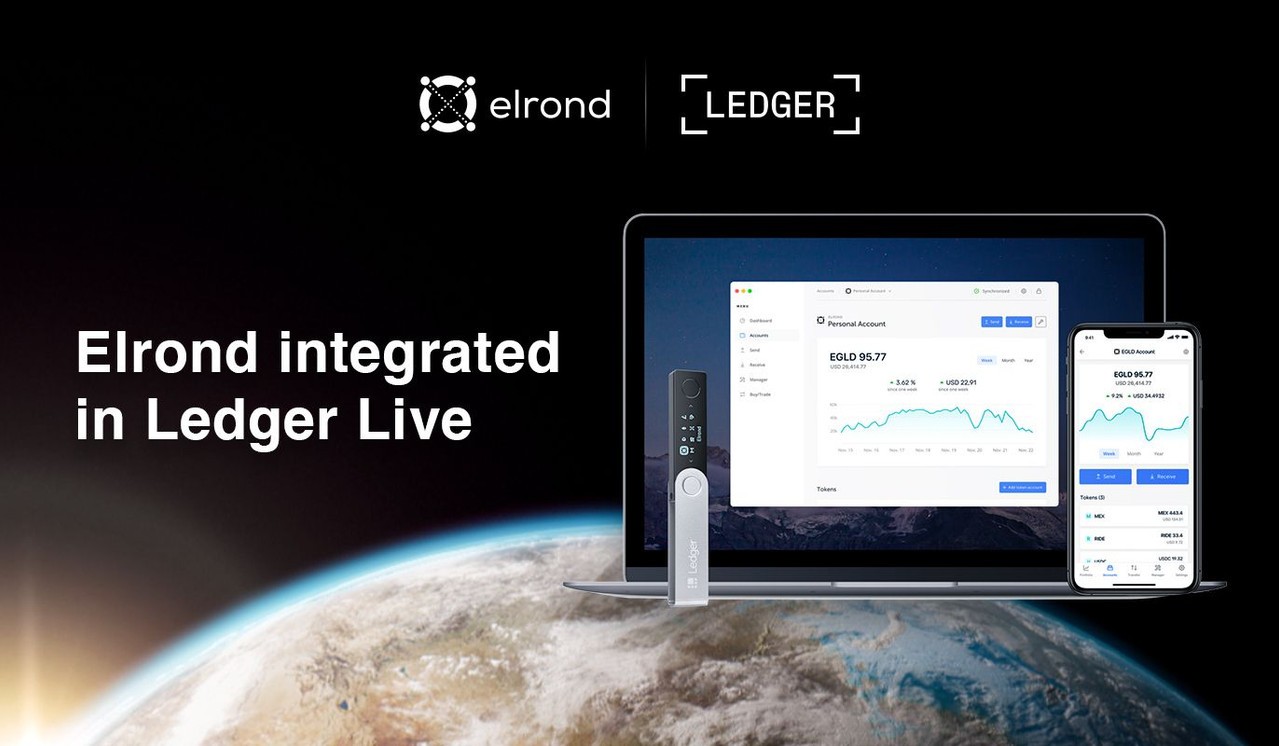
Ledger Live Login: A Complete Professional Guide for Secure Crypto Access
Introduction: Why the Ledger Live Login Experience Matters
Crypto ownership brings freedom, but freedom means responsibility. Ledger Live stands at the center of that responsibility by acting as the control panel for your Ledger hardware wallet. While the hardware device protects your private keys, Ledger Live delivers the interface where everything else happens: viewing balances, sending and receiving assets, updating firmware, staking coins, swapping tokens, and monitoring market trends. Because so much activity flows through Ledger Live, understanding the login process isn't just about convenience—it’s about preserving security, preventing mistakes, and ensuring your crypto stays in your hands.
Many users assume that “logging in” to Ledger Live is similar to signing in to a typical online account. It isn’t. The Ledger Live login structure is designed differently because it connects to offline hardware rather than cloud-stored data. This blog breaks down the entire experience from beginner-level basics to mid-level operational insights. Whether you're new to crypto or already managing multiple wallets, this guide gives you clarity, examples, and real-world strategies that help you use Ledger Live confidently and securely.
What Ledger Live Actually Is — and What It Is Not
Ledger Live is an application, not a cloud wallet. That distinction matters because your login experience reflects the architecture behind the tool. Unlike online exchanges, Ledger Live does not store your assets. It does not hold your private keys. It does not maintain a server where your balance lives. Instead, it is a local interface that communicates with your Ledger Nano hardware wallet. Everything displayed inside Ledger Live is a reflection of on-chain data combined with the cryptographic access enabled by your device.
This means your Ledger Live login does not authenticate you to a global account. It simply grants access to the local app environment while requiring your Ledger hardware device before performing sensitive actions. This layered design protects users from phishing, remote attacks, and unauthorized access. It forces the presence of the physical device before allowing any real transaction.
The True Meaning of “Ledger Live Login”
Many people search for “Ledger Live login,” expecting a username and password. But Ledger Live isn’t an online portal. The login system includes three primary elements that work together:
Accessing the application through a local password lock (optional but recommended)
Connecting your Ledger Nano device for authentication
Unlocking the device with your PIN to authorize sensitive actions
These three steps are essential. Ledger Live alone cannot move your crypto. The hardware wallet alone cannot broadcast transactions. They depend on each other. This partnership is the core reason Ledger devices are considered among the most secure crypto tools in the world.
Setting Up Your Ledger Live Login for the First Time
When you first install Ledger Live, the app asks whether you want to enable a password lock. Most beginners skip this, and it's one of the most common security mistakes. A password lock prevents anyone with physical access to your computer from opening Ledger Live and viewing your portfolio or exporting your extended public keys. While this doesn't put your funds at risk, it can reveal sensitive information, long-term strategy details, or wallet structure. Adding a password lock is smart for privacy and professionalism.
Once the password lock is enabled, your Ledger Nano device becomes the next authentication layer. You must enter your PIN on the device itself—this PIN is never typed into your computer, reducing exposure to keyloggers or malware. Together, the Ledger Live login password and Ledger PIN create a secure two-tier login system.
A Professional Walkthrough of the Ledger Live Login Flow
Here’s what logging in looks like in real practice:
You open the Ledger Live app, enter your password, and reach the dashboard. At this point, you can view your portfolios, assets, and market data. But you cannot send crypto yet. When you attempt a transaction, the app prompts you to connect your Ledger hardware wallet. You plug in the device, enter your PIN, and approve the operation physically. Ledger Live communicates with your hardware device and prepares the transaction before broadcasting it to the network.
The physical approval step is critical. Every transaction must be confirmed on the hardware screen. This process ensures that even if your computer is compromised, malicious software cannot move your funds.
Beginners: Understanding the Basics of Ledger Live Login
For newcomers, the login process can feel unusual. Unlike traditional financial apps, you don’t create an account or receive a username. The purpose of Ledger Live is to be a secure, offline-friendly environment, so its “login” is purely local:
A password you set
A hardware wallet you control
A PIN that only you know
This might feel inconvenient at first, especially if you’re used to auto-login apps. But the crypto world flips the script. Control and security take priority over convenience. Ledger Live forces you to slow down just enough to avoid mistakes and ensure you stay in control.
Intermediate Users: Operational Insights for Daily Use
Once you understand the basics, the next step is optimizing your daily routine. Many mid-level users forget that Ledger Live login security is only as strong as the environment around it. If your computer is infected, if you use unverified software, or if you store your recovery phrase incorrectly, the strongest hardware wallet cannot compensate for poor habits.
Professional users follow a consistent pattern:
Keep Ledger Live updated
Maintain the password lock
Use the hardware wallet for every sensitive action
Double-check addresses on the device screen
Disconnect the device after each session
Periodically verify app integrity
These practices ensure smooth usage and significantly reduce risk.
Understanding What Ledger Live Actually Protects
It’s common to misunderstand which parts of your crypto workflow Ledger Live secures. Ledger Live protects:
The interface you use
Transaction construction
Portfolio visibility
Market and staking features
However, the true security of your assets always relies on:
Your Ledger hardware wallet
Your offline recovery phrase
Ledger Live cannot access your private keys. It cannot sign transactions without your hardware wallet. It cannot restore your accounts without the recovery phrase. This separation is intentional and vital.
Why “Ledger Live Login” Cannot Be Phished Like Normal Logins
Phishing attacks succeed when victims enter their login credentials on fake websites. Because Ledger Live login does not involve cloud-stored credentials, traditional phishing is less effective. A fake login page can’t steal your username because you don’t have one. It can’t steal your password unless you typed your Ledger Live lock password into a malicious clone app.
However, users can still be tricked into entering their recovery phrase. This is the real danger. A fake “Ledger Live account creation” webpage might ask for your seed phrase. Ledger will never ask for this. Ledger Live will never ask for this. No legitimate login system for Ledger products uses a recovery phrase online.
Common Problems with Ledger Live Login and How to Solve Them
Although the login process is secure and well-designed, users sometimes encounter difficulties. The most frequent issues include:
Ledger Live not opening due to outdated app versions
Password lock not accepting input after multiple failed attempts
The Ledger device not being recognized by the computer
USB connection issues
Conflicts with security software
Ledger device stuck on “Processing…”
Most problems resolve quickly:
Update Ledger Live, restart the computer, switch USB ports, try a different cable, or use the app’s repair tools. If the issue persists, reinstall Ledger Live. Your crypto will not disappear because the wallet is tied to your recovery phrase, not the app.
Mobile Users: How Ledger Live Login Works on Smartphones
Ledger Live mobile offers the same secure architecture but incorporates Bluetooth functionality for wireless communication. The login process becomes:
App password or biometric lock
Bluetooth pairing
Hardware device PIN when required
While Bluetooth introduces comfort, the cryptographic validation still occurs on the hardware wallet. Even if Bluetooth were intercepted, no attacker could forge your approvals.
Security Best Practices for Ledger Live Login Users
Professionals maintain a disciplined approach. Some essential habits include:
Always using the official Ledger website for downloads
Keeping the password lock enabled
Never typing your recovery phrase anywhere
Checking the device screen before approving actions
Using a clean, trusted computer
Locking Ledger Live when not in use
Avoiding browser extensions during transactions
These habits make the Ledger Live login process more than an entry point—they make it a security system.
Real-World Example: How Ledger Live Login Prevents Mistakes
Imagine you receive a message claiming your wallet requires “urgent verification.” A link directs you to a fake website that asks for your recovery phrase. A newcomer might be tempted to comply. But because Ledger Live login doesn’t use a recovery phrase, an informed user immediately recognizes the scam. This knowledge alone protects your crypto. The login model of Ledger Live shapes your instincts and helps you detect threats faster.
Building Confidence as a Ledger Live User
Mastery of Ledger Live login creates confidence. You stop fearing the technical side of crypto and start focusing on management, strategy, and long-term planning. This confidence is what allows people to hold assets safely for years, manage large portfolios, or navigate complex ecosystems like staking and decentralized finance with greater clarity.
Ledger Live was designed for this exact purpose—to make secure crypto ownership accessible without sacrificing professional-grade protection.
Conclusion: Ledger Live Login Is More Than an Entry Point
The login experience in Ledger Live symbolizes the philosophy behind Ledger’s products: security first, control always, and responsibility in your hands. There’s no cloud login, no server-based identity, and no hidden gateway. Instead, you get a simple, local, hardware-dependent system that protects your assets through physical control and cryptographic integrity.
Understanding the Ledger Live login process is not just about opening an app—it’s about mastering secure behavior, preventing mistakes, and becoming a more capable crypto owner.
FAQ
1. Is “Ledger Live login” the same as logging into an online account?
No. Ledger Live login is local and does not involve cloud credentials. You use a password lock and your Ledger hardware wallet instead.
2. Do I need my Ledger device every time I log in?
No. You only need it for sensitive actions like sending crypto, signing messages, staking, or managing accounts.
3. Can someone access my funds if they know my Ledger Live password?
No. The Ledger Live password only unlocks the app. The hardware wallet and PIN are still required for transactions.
4. Can Ledger Live be used without a password lock?
Yes, but it’s strongly recommended to enable it for privacy and additional security.
5. Does Ledger Live store my private keys?
Never. Private keys remain inside the Ledger hardware wallet and never leave it.